Request a Quote
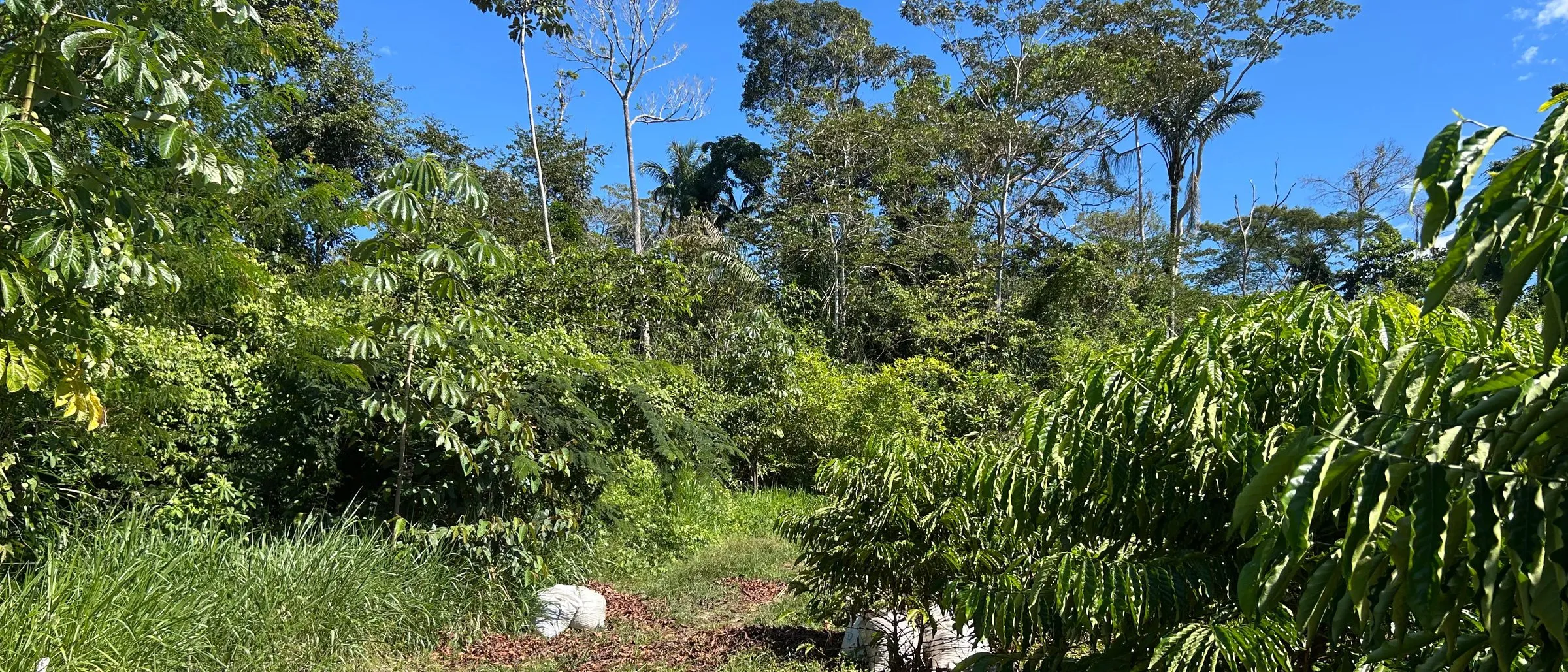
Coffee trees in production at the edge of standing forest in Taquaruçu do Norte, Mato Grosso, with harvested bags between the rows.

From the southern Amazon, where the forest still stands

Brazilian Robusta. Grown by the cooperative. Milled, roasted and packed at origin. Sold direct.

5,000 bags — 300 metric tons of green Conilon Robusta, approximately 15 to 18 containers, first position May 2027.

Conilon is the Brazilian name for Robusta coffee. We grow, mill, roast and pack it in Mato Grosso. What is Conilon?

Our story

Where the forest still stands

In the far northwest of Mato Grosso, at the southern edge of the Amazon, farming families chose to build their future with the forest, not against it. They formed a cooperative around sustainable farming and reforestation, and everything we sell comes from that choice.

Every purchase does something simple: it makes the standing forest, and the farms that keep trees in the landscape, worth more to the people who live there than the cleared land would be.

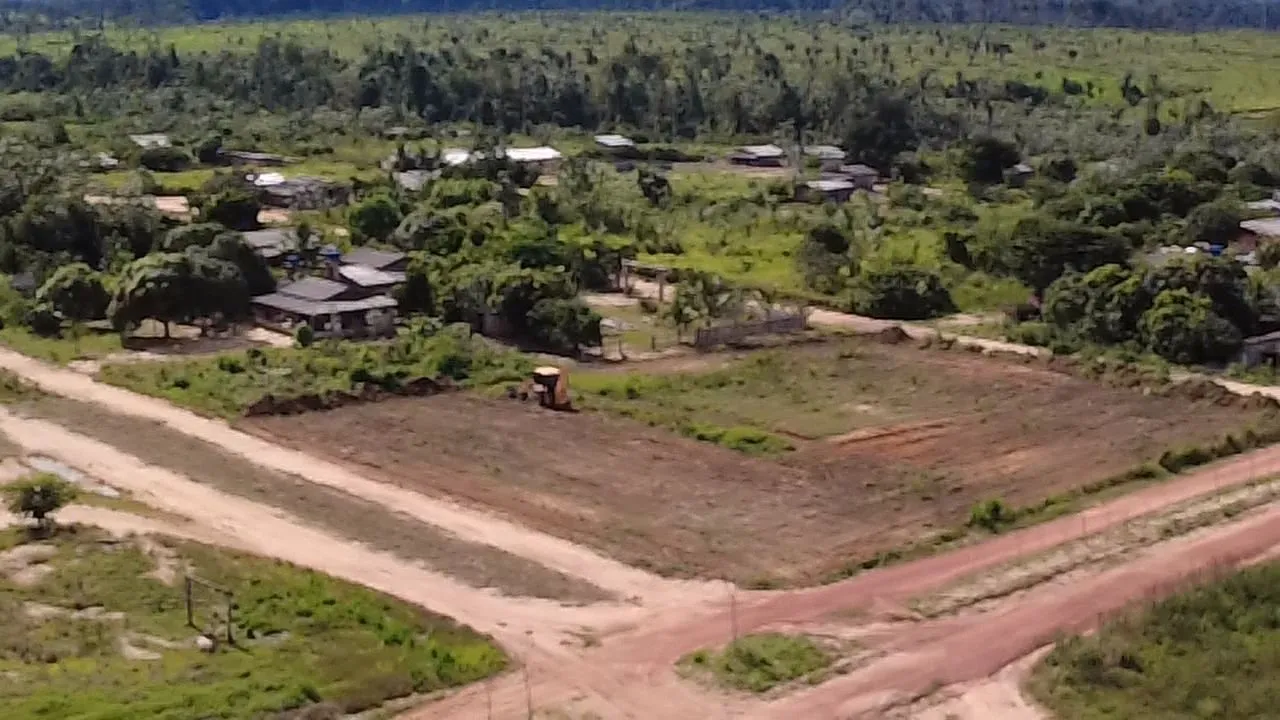
  1. Aerial view of Taquaruçu do Norte: dirt roads, houses and cleared plots, with forest on the horizon.

    A frontier

    Taquaruçu do Norte, Colniza: land opened to farming within living memory, at the edge of the Amazon.

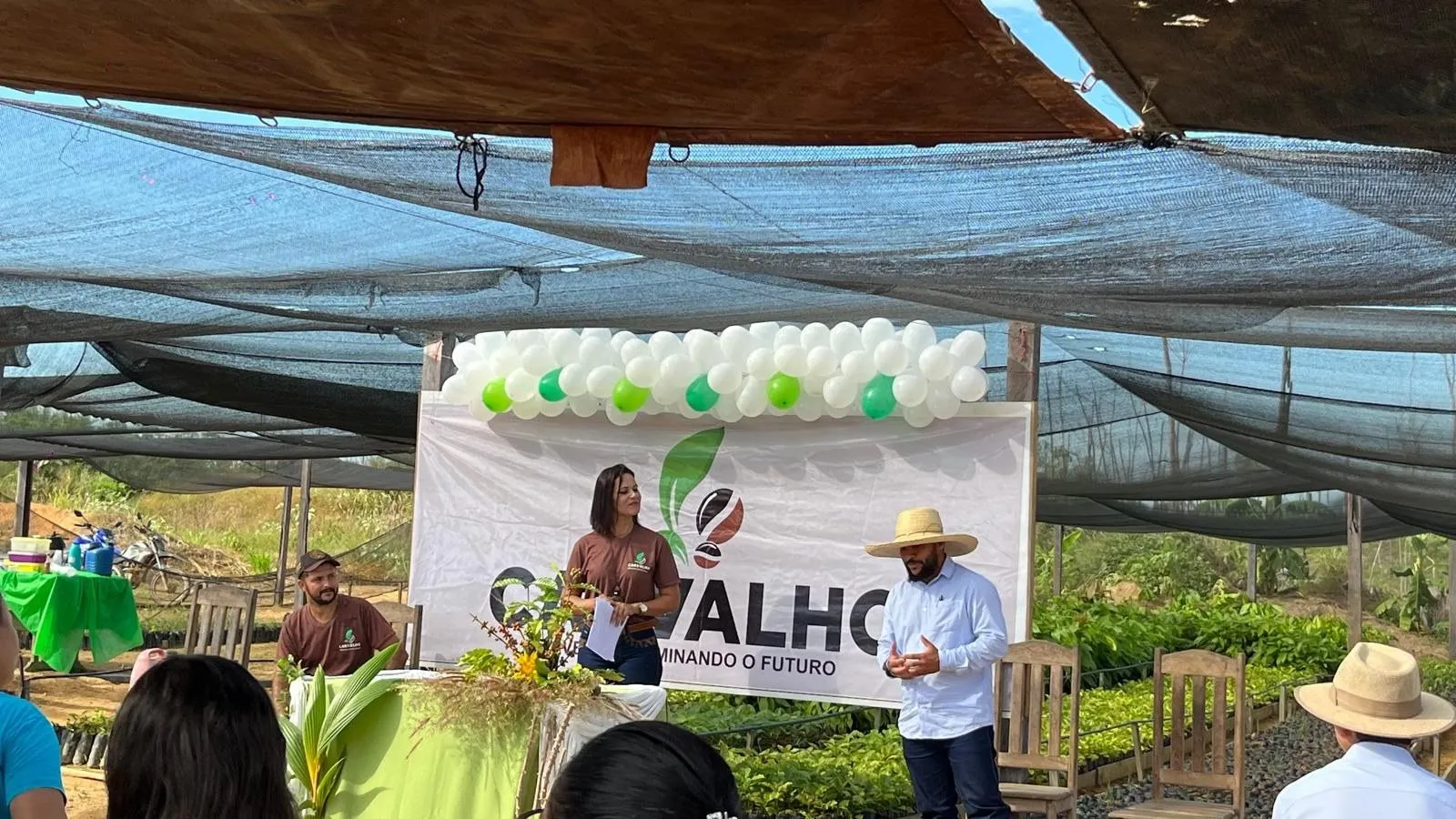
  2. A member addressing an audience beneath the Carvalho banner at the cooperative's nursery.

    A cooperative

    In July 2024, 23 founding members wrote reforestation into the cooperative’s founding purpose.

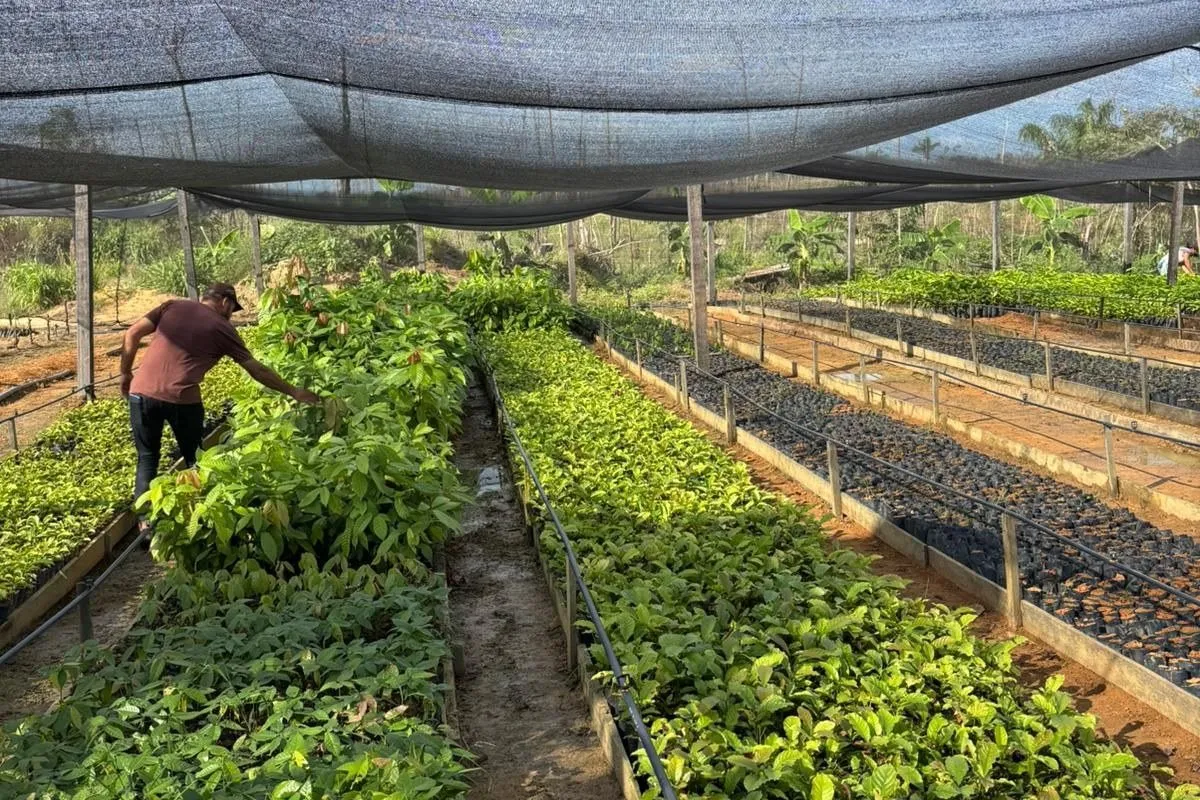
  3. A worker handling seedlings in a nursery bed under shade cloth at the cooperative's nursery.

    Growing it back

    A seedling nursery, and coffee grown among banana plants and native trees instead of bare monoculture.

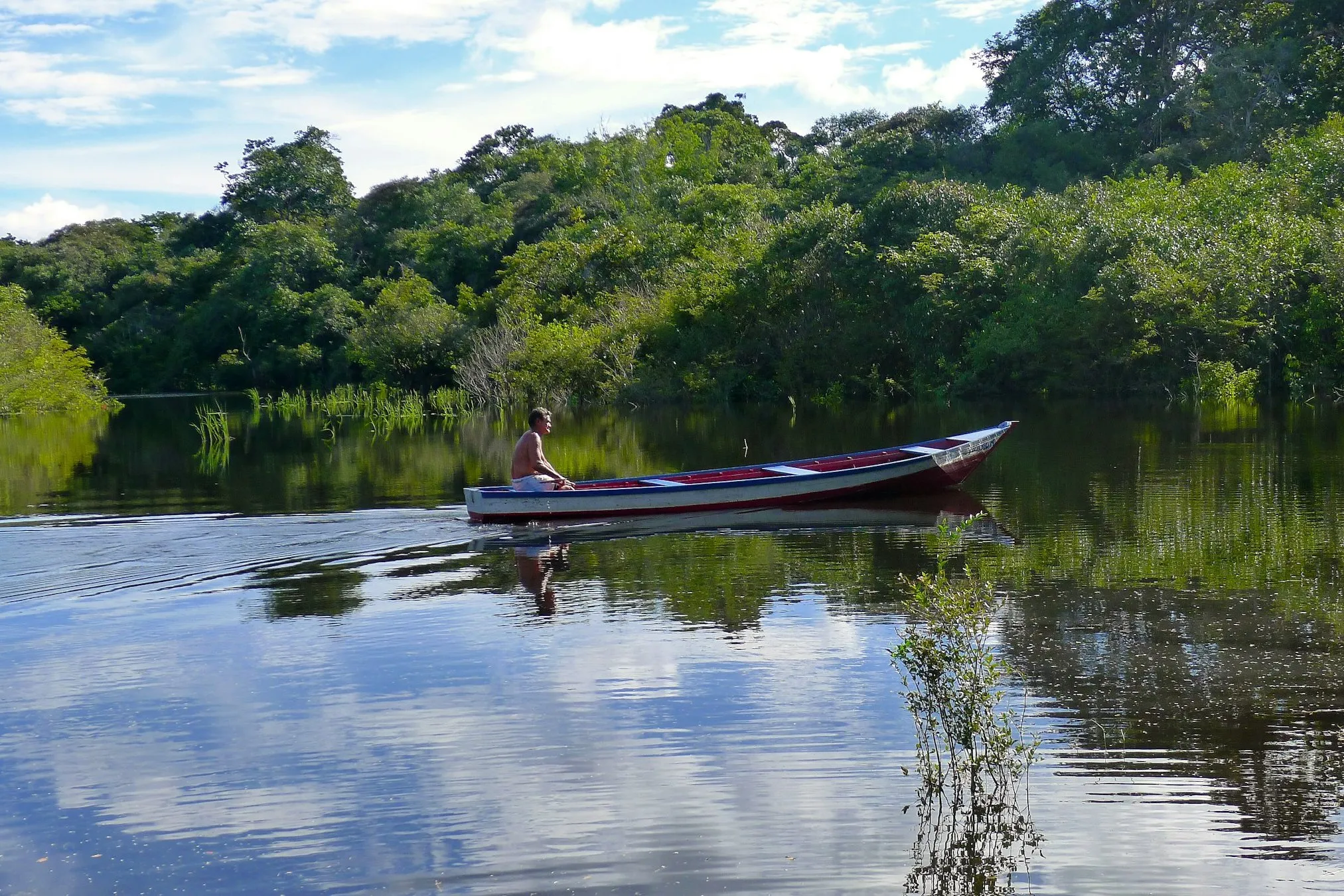
  4. A canoe on a calm river surrounded by Amazon forest.

    The living forest

    Dragon’s blood and natural latex, taken from living trees by a riverside community partner.

23
founding members
Reforestation
written into the bylaws
2
forest products from the standing forest
May 2027
first coffee export
Read the full story Forest products

The difference

Four links from the tree to your warehouse

A conventional Brazilian Robusta trade passes through ten or more hands: producer, local buyer, cooperative, dry mill, exporter, trader, importer, dealer, roaster, distributor. Each one takes a margin and blurs the record of where the coffee came from.

  1. 01

    The cooperative

    Grown by member producers of the Carvalho Beans cooperative in Taquaruçu do Norte, Mato Grosso.

  2. 02

    Milled and roasted at origin

    Hulled, screened, graded, roasted, ground and packed in the same state where it grew.

  3. 03

    Exported direct

    Shipped by us, with our own documentation and lot codes. No intermediary re-labels it.

  4. 04

    Your warehouse

    Delivered green or roasted, under your brand or ours, to the incoterm on your contract.

The position

What is confirmed today

Everything on this site that is not yet confirmed is marked as unconfirmed rather than estimated. Cupping has not happened, no certification is held, and no prices are published.

Quick facts
Company Colinza Conilon Co.
Headquarters 150 Grossman Drive, Braintree, MA 02184, USA
Species Coffea canephora — Robusta (Conilon)
Origin Taquaruçu do Norte, Mato Grosso, Brazil
Grown by COOPERANTE - Cooperativa Carvalho Beans
Green inventory 5,000 bags × 60 kg = 300 MT (661,387 lb)
Roasted equivalent ≈ 252 MT at approximately 84% roast yield (≈ 555,600 lb)
Containers 15–18 × 20' FCL
First position May 2027
At origin Milling, roasting and packaging
Certifications None claimed

Why buy Robusta rather than Arabica?

Robusta carries more body, lower acidity and roughly double the caffeine of Arabica, and it produces markedly more crema. Those properties make it the backbone of Italian espresso blends and the entire instant category, and its price is historically more stable than Arabica’s.

Robusta is not a cheaper grade of Arabica. It is a different species with different properties, priced against a different futures contract — the ICE Europe Robusta contract in London, quoted in US dollars per metric ton, not the New York "C".

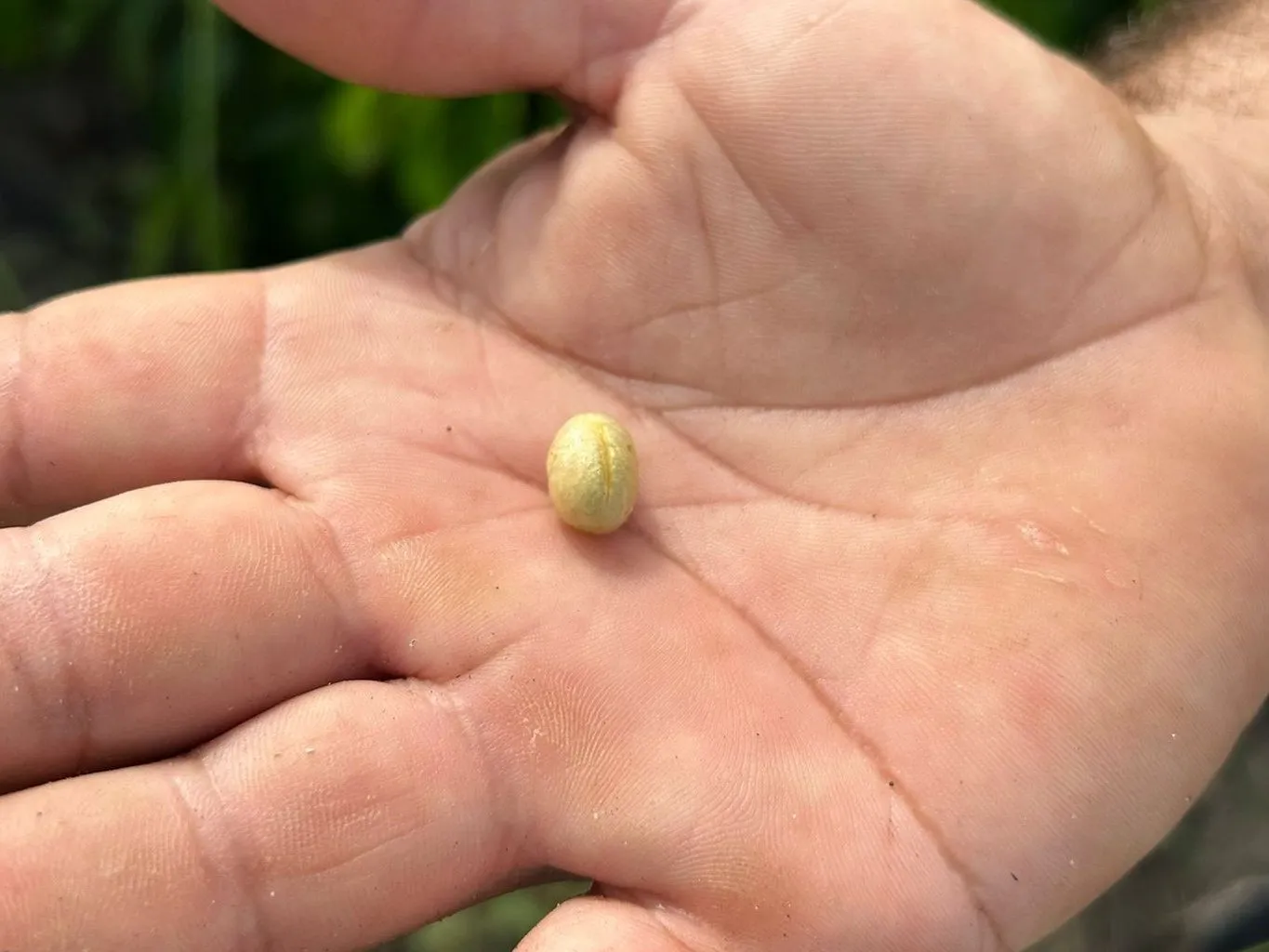
Brazilian Robusta, known in Brazil as Conilon — Coffea canephora.

Robusta and Conilon explained
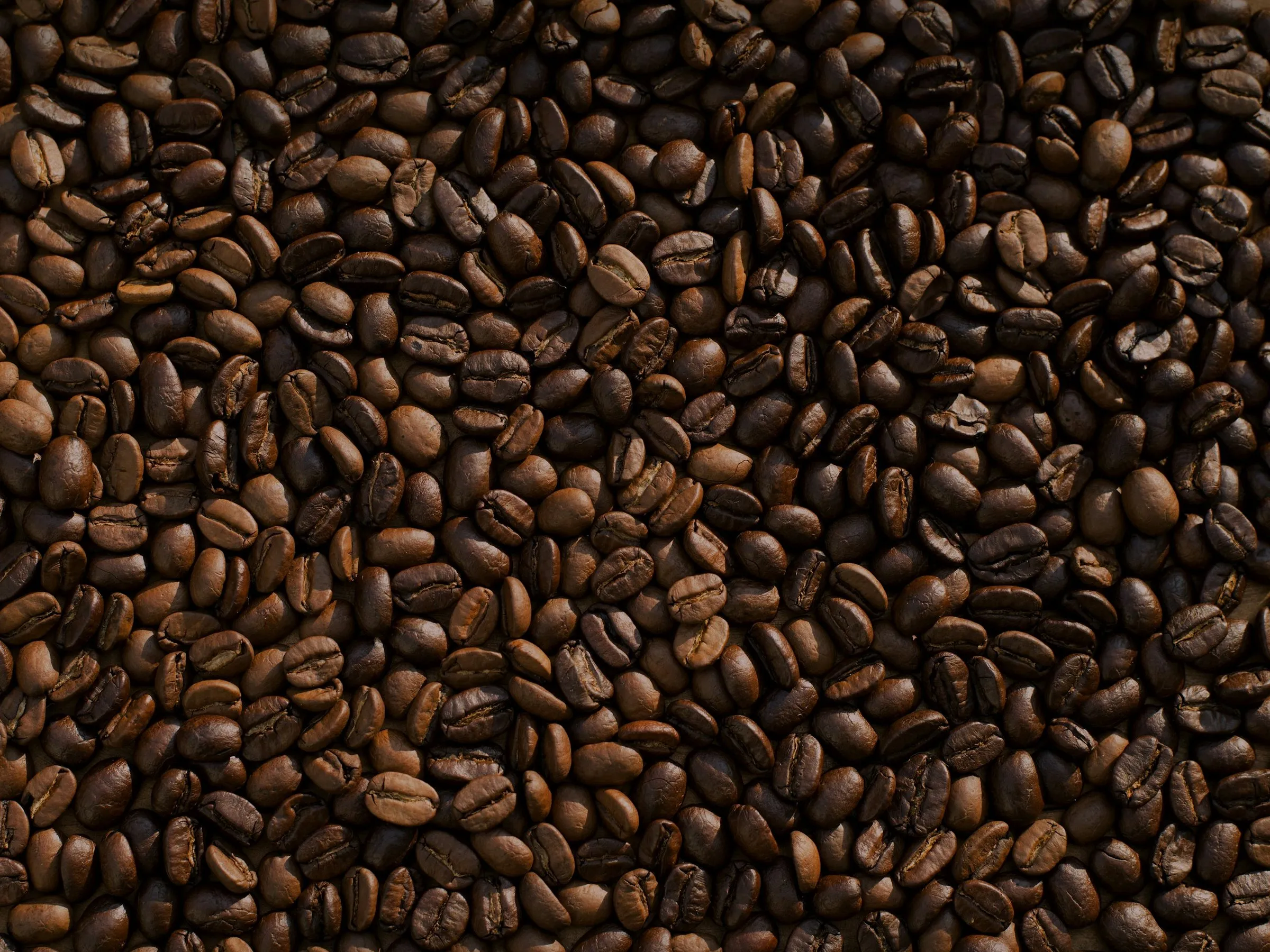
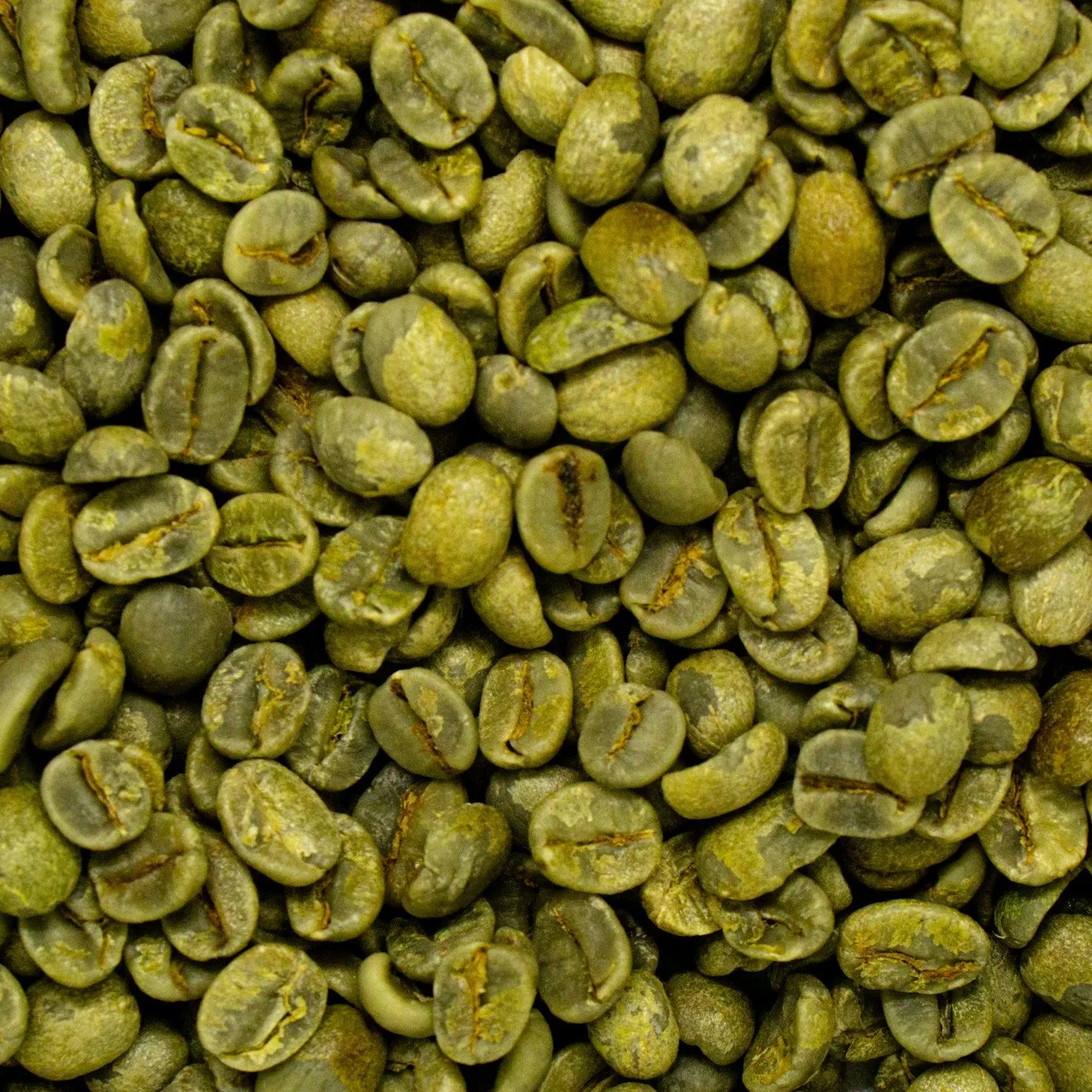
A pile of green coffee beans, close up.

Capabilities

What happens at origin

Milling, roasting, grinding, packing, quality control and export documentation all take place in Mato Grosso, on coffee the cooperative grew.

Milling and green preparation

Hulling, screening, density separation and grading to an export specification.

Roasting

Roasted to a specified Agtron target, within kilometres of where the coffee grew.

Packing

Valve bags, foodservice formats and portion packs, coded and case packed.

Export

Our own documentation, our own lot codes, shipped direct to your incoterm.

Full capabilities

Insights

Reference reading for buyers

Technical and commercial articles written to be useful whether or not you buy from us.

View all

Request green offerings

Tell us what you roast and at what volume, and we will send the current position with a basis.

Request green offerings

Request a private label capabilities packet

Formats, minimums, lead times and certification status, in one document.

Request the capabilities packet