
Market
Tariff Escalation: Why Coffee Leaves Origin Green Instead of Roasted
Producing countries grow the coffee and consuming countries capture the roasting margin. Tariff escalation is a large part of why — and why roasting at origin is still unusual.
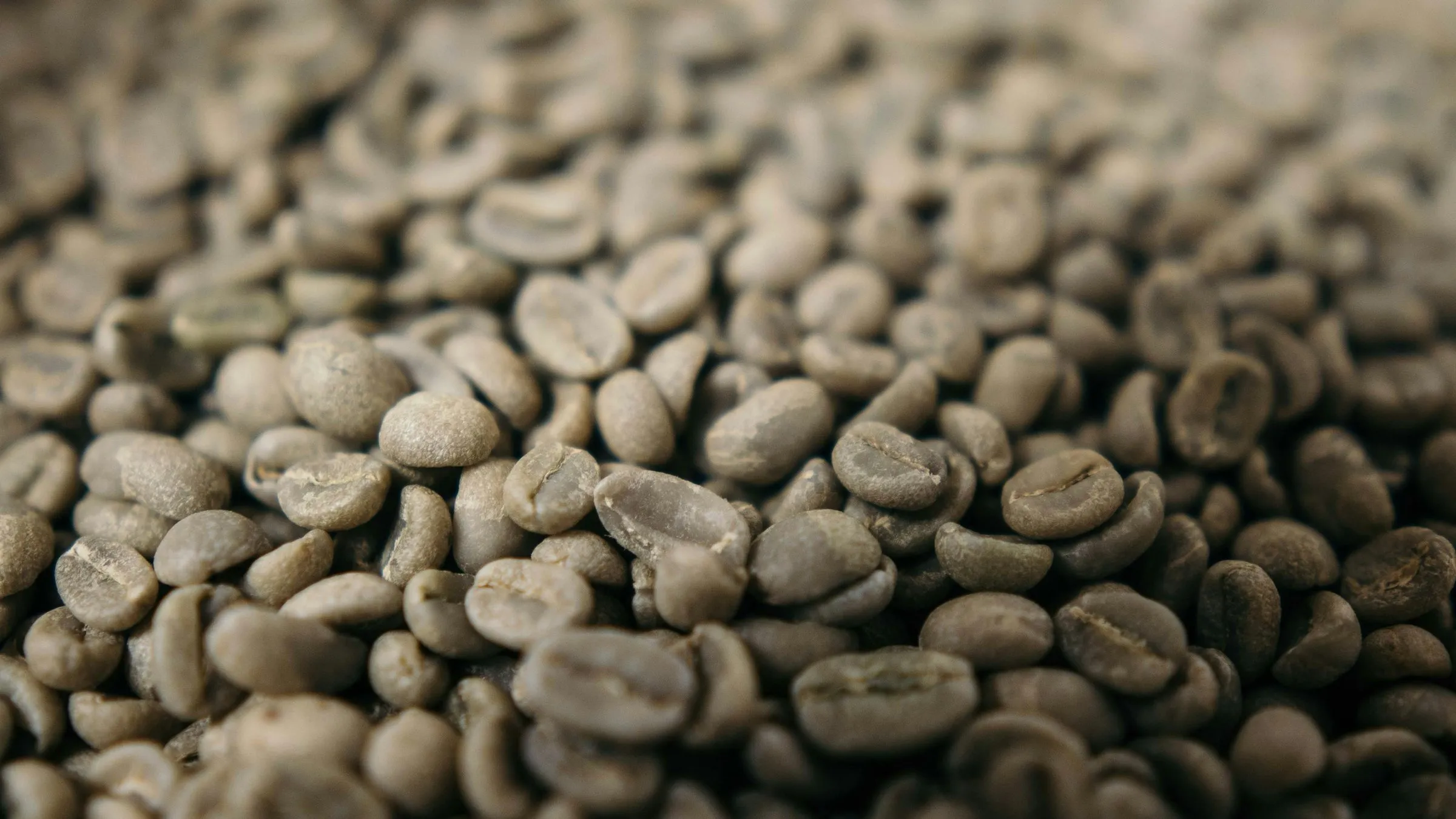
Coffee is grown almost entirely in tropical developing countries and consumed largely in wealthy temperate ones. That much is geography. What is not geography is where the roasting happens: the step that adds the most value per kilogram takes place overwhelmingly in the consuming country, not the producing one.
There are good logistical reasons for that. There are also structural ones, and tariff escalation is among the most persistent.
What is tariff escalation?
Tariff escalation is a tariff structure in which duty rates rise with the degree of processing. The raw commodity enters at a low or zero rate; the same commodity processed enters at a higher rate.
The effect is to protect processing industries in the importing country. A domestic roaster buying green pays little or no duty on their input. A foreign roaster trying to sell them finished coffee pays duty on the whole finished value, including the value the roasting added. The foreign roaster is competing with a handicap that has nothing to do with efficiency.
Coffee is a textbook case, and so are cocoa, cotton and several other tropical commodities. The World Trade Organization, UNCTAD and the International Coffee Organization have all examined the pattern over decades.
How does it show up in coffee specifically?
Green coffee frequently enters major markets duty-free or at negligible rates, because importing countries want cheap inputs for their roasting industries. Roasted coffee, and soluble coffee especially, face higher rates in a number of markets.
The precise rates vary by market, by trade agreement and over time — and they change, sometimes sharply, which is exactly why this article does not publish a rate table that would be wrong within a year. What is stable is the shape: the processed form is treated less favourably than the raw one.
Preferential agreements complicate the picture in both directions. Some producing countries have duty-free access for processed goods under specific arrangements, and where that exists, origin roasting becomes commercially plausible in a way it is not elsewhere. Anyone evaluating an origin-roasted programme should check the actual rate for their specific origin-destination pair rather than assume.
Why does this matter to a producing country?
Because roasting is where a large share of the retail value is created, and exporting green means exporting that opportunity.
A kilogram of green coffee leaves origin at a commodity price set on a futures exchange. The same coffee, roasted, packed, branded and on a retail shelf, sells for a multiple of that. The difference is not one number — it covers roasting, packaging, distribution, marketing, retail margin and shrinkage — but a meaningful part of it is manufacturing value that could physically happen either side of the ocean.
For a producing region this is the difference between an agricultural economy and an agro-industrial one: local employment, local skills, local capital investment, and a product with a name rather than a grade.
Is tariff really the main obstacle?
No, and it would be dishonest to claim it is. Several forces push roasting toward the consumer, and they would push that way even with a flat tariff schedule.
Freshness. Roasted coffee degrades. Green is a durable commodity that holds quality for a year or more in proper storage; roasted coffee has a working life measured in months and is at its most fragile in transit.
Freight economics. Roasted coffee has lost 16 to 18 percent of its weight but occupies more volume per kilogram than green, and it ships in packaging rather than in jute. Container economics favour green.
Capital and brand. Roasting equipment, packaging lines and — above all — retailer and foodservice relationships are concentrated in consuming markets. That is where the customers are.
Flexibility. A consuming-market roaster blends coffees from many origins to a house profile and adjusts as prices move. An origin roaster is, by definition, roasting one origin.
Tariff escalation reinforces a pattern that logistics and capital already favour. Removing it would not relocate the industry; it would widen the set of cases where origin roasting competes.
Where does origin roasting actually work?
It works where the freshness objection is weakest and the traceability argument is strongest.
Espresso blends. Espresso benefits from rest after roasting rather than being at its peak on day three. Transit time is partly working in the product’s favour.
Foodservice and institutional. Formulated for consistency rather than aromatic peak, bought on specification and price, and consumed at volume.
Vending and instant. Even less sensitive to the aromatic top notes that fade in transit.
Brands selling provenance. A brand whose proposition is the specific place and the specific growers gets something from origin roasting that a domestic co-packer cannot supply at any price: the coffee was roasted where it grew, by the people connected to growing it.
Where it does not work is light-roast filter specialty sold on delicate origin character. The volatile aromatic compounds that market pays for are precisely the ones that fade over weeks of ocean transit, and pretending otherwise is how a supplier loses a customer permanently.
What should a buyer take from this?
Three things.
First, if you are evaluating an origin-roasted supplier, check the actual duty rate for your specific origin and destination. It is a real cost line and it varies more than most buyers expect.
Second, ask which applications the supplier says their coffee does not suit. A supplier who claims origin roasting works for everything has either not thought about it or is hoping you have not.
Third, recognise that when a producing-country company roasts and packs its own coffee for export, it is doing something structurally uncommon. That is not automatically a reason to buy — the coffee still has to be good and the programme still has to fit — but it does mean you are looking at a genuinely different supply chain rather than a differently branded version of the usual one.
Frequently asked questions
What is tariff escalation?
A tariff structure where duty rates rise with the degree of processing. Raw materials enter at low or zero duty while processed versions of the same product face higher rates, which discourages producing countries from processing before export.
Does tariff escalation apply to coffee?
It has historically, and in several markets it still does. Green coffee frequently enters duty-free while roasted and soluble coffee attract duty, so the incentive is to ship the raw bean and roast it near the consumer.
Is tariff the only reason coffee is roasted in consuming countries?
No. Roasted coffee is perishable and bulky, roasting near the consumer shortens the freshness chain, and the capital and brand relationships sit in consuming markets. Tariffs reinforce a pattern that logistics and capital already favour.
Does roasting at origin ever make commercial sense?
Yes, in applications tolerant of transit — espresso blends, foodservice, vending and instant — and where traceability and origin story carry commercial weight. It is a narrower case than roasting near the consumer, not a universally better one.