Origin
Taquaruçu do Norte, Colniza, Mato Grosso
Our coffee comes from one place, grown by one cooperative, and it is milled, roasted and packed within kilometres of where it grew. This page is the account of that place.
Where exactly is the coffee grown?
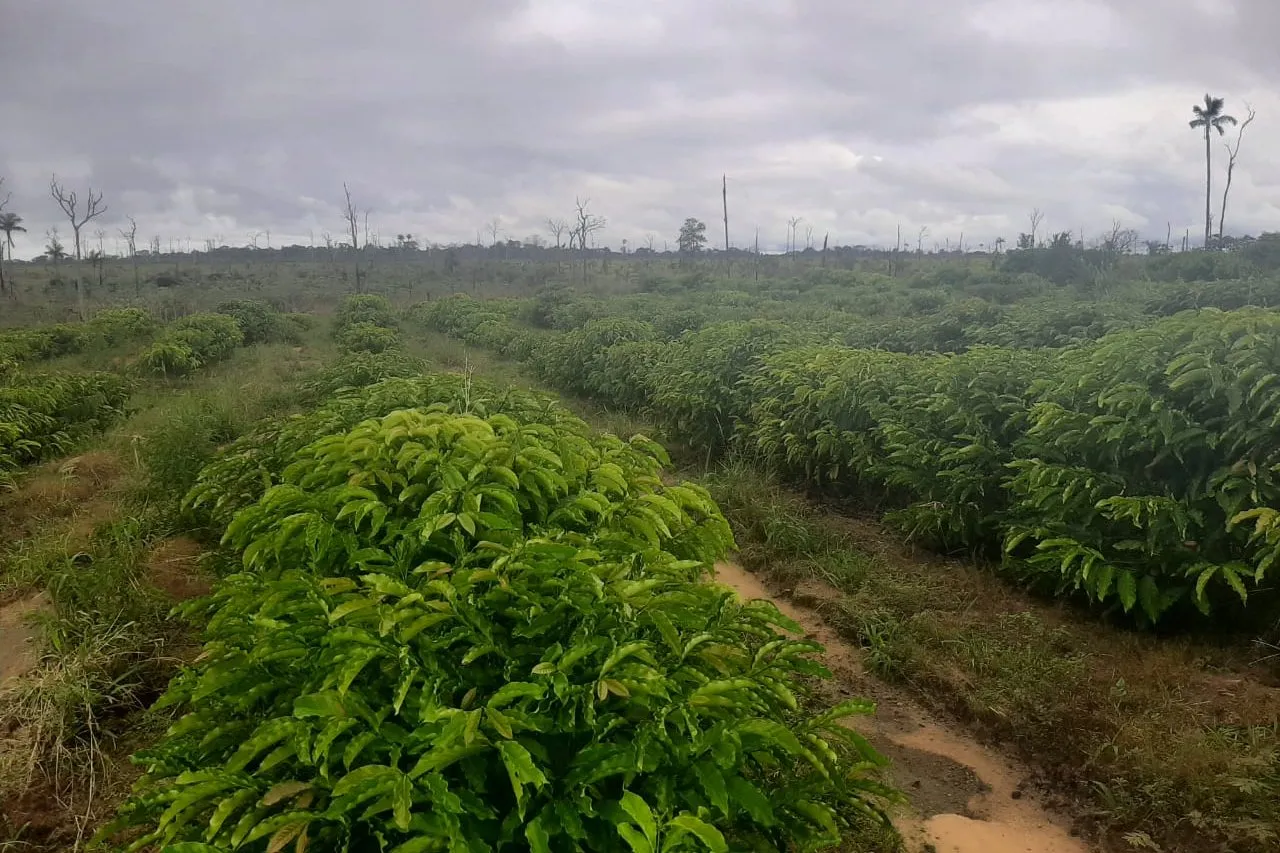
Taquaruçu do Norte, in the municipality of Colniza in northwestern Mato Grosso, Brazil — in the southern Amazon, near the borders with Rondônia and Amazonas. It is a frontier agricultural region, settled and cleared for farming within living memory rather than a centuries-old coffee zone.
That last point is worth stating plainly, because it separates this origin from almost every other Brazilian coffee story. Minas Gerais and São Paulo have been growing coffee since the nineteenth century, and their marketing rests on heritage. Northwestern Mato Grosso does not have that history. What it has is land, water and a climate that suits Coffea canephora, and a farming population that arrived recently enough that most producers can tell you exactly when their family started.
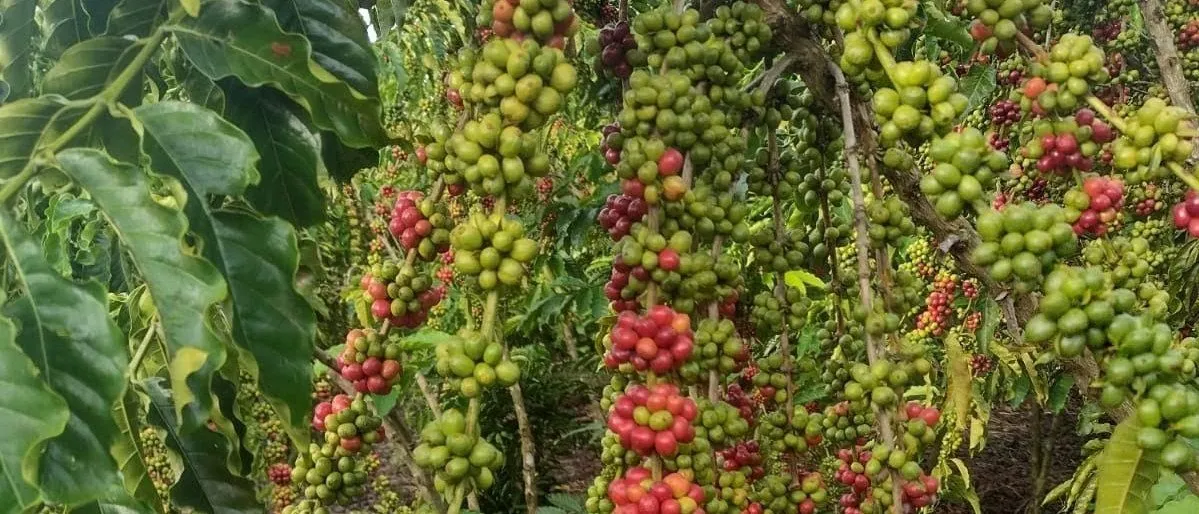
The climate runs on two seasons rather than four: a wet season and a dry one, with the rhythm of flowering, cherry development and harvest following that split. Robusta is well suited to the warm, lower-altitude conditions here — conditions in which Arabica struggles with heat stress and disease pressure. Growing canephora is not a compromise in this region; it is the correct species for the place.
Rainfall, altitude and the harvest window are recorded on the cooperative's agronomic sheet, which we share with qualified buyers on request.
Taquaruçu do Norte, Colniza, northwestern Mato Grosso.
- Parent municipality
- Colniza, Mato Grosso
Who grows it?
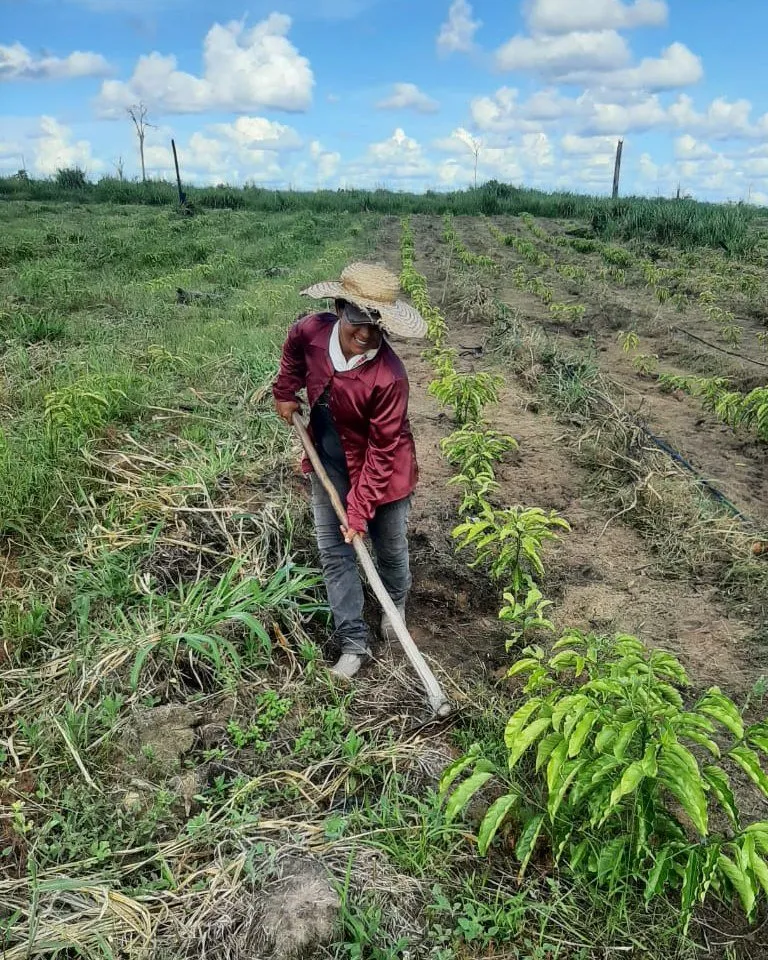
Family producers who are members of the Carvalho Beans cooperative. They own their land, farm it themselves, and deliver their production to the cooperative for processing and collective sale. The number of member families and the typical property size are shared with qualified buyers on request.
Coffee is rarely the only thing on these properties. Most producers run coffee alongside other crops and livestock, which spreads risk across a season and means a bad coffee year is not a catastrophic year. That mix is part of why the supply base is stable.
| Fact | Value |
|---|---|
| Cooperative | COOPERANTE - Cooperativa Carvalho Beans |
| Other cooperative products | Cassava flour, pumpkin flour, farofa and banana chips |
Available on request: Member families; typical property size; typical area under coffee.
Why did they form a cooperative?
Because individually, a small producer in a remote region sells into a chain of intermediaries and captures a fraction of the value. Together, they can receive, process, store, market and sell direct — which is what turns a set of farms into a supply chain a buyer can contract with.
That is the honest version, and it is more compelling than the sanitised one. The problem a cooperative solves is structural: a producer with a few tonnes has no leverage, no storage, no access to a dry mill and no route to an exporter. The same producers pooled have all four.
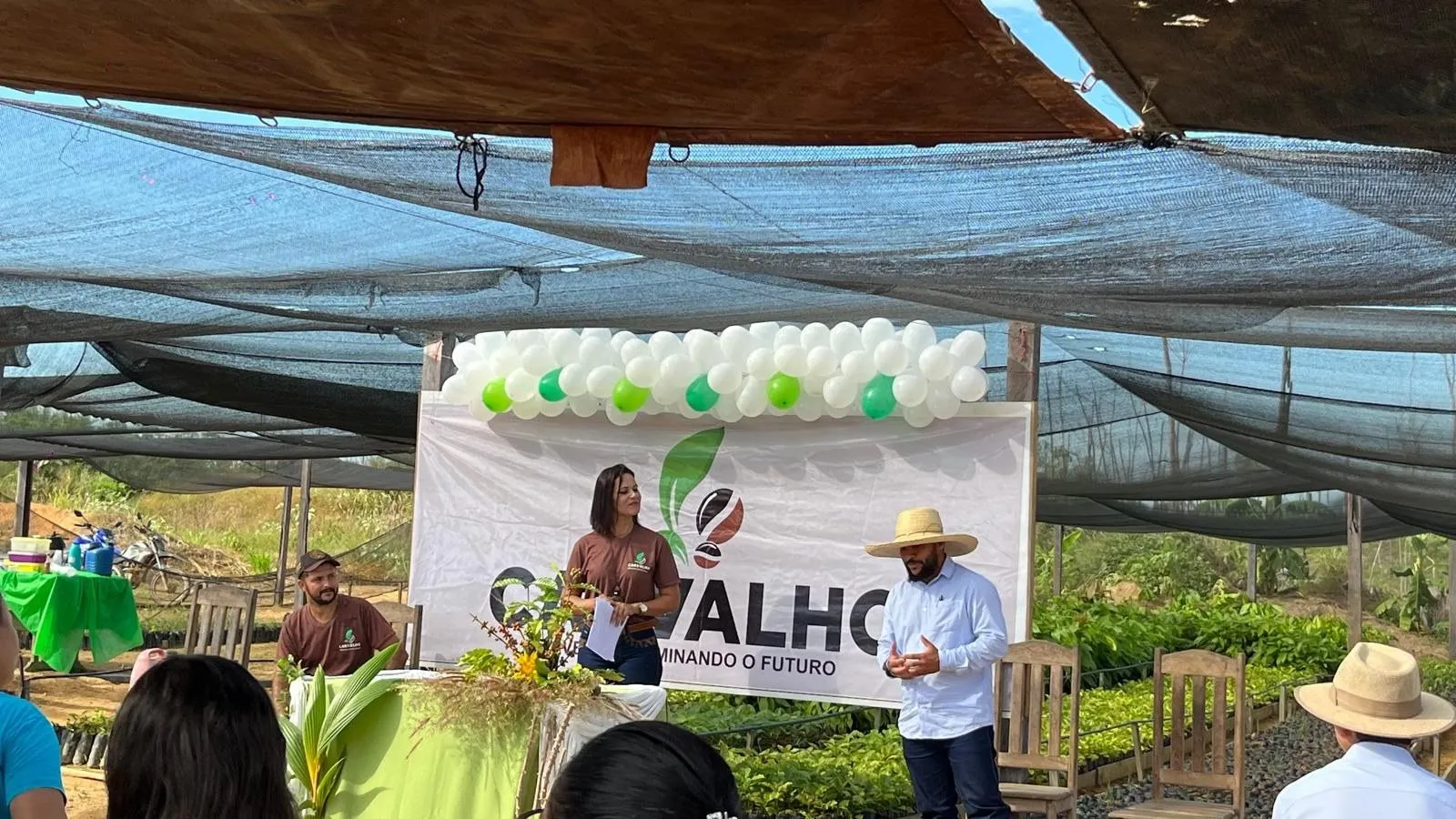
COOPERANTE — Cooperativa Carvalho Beans receives and processes member production, supplies inputs at scale, provides technical assistance, and markets the coffee collectively. It is a legally constituted Brazilian cooperative under Lei 5.764/71, member-owned and governed by a General Assembly.
How is the coffee grown?
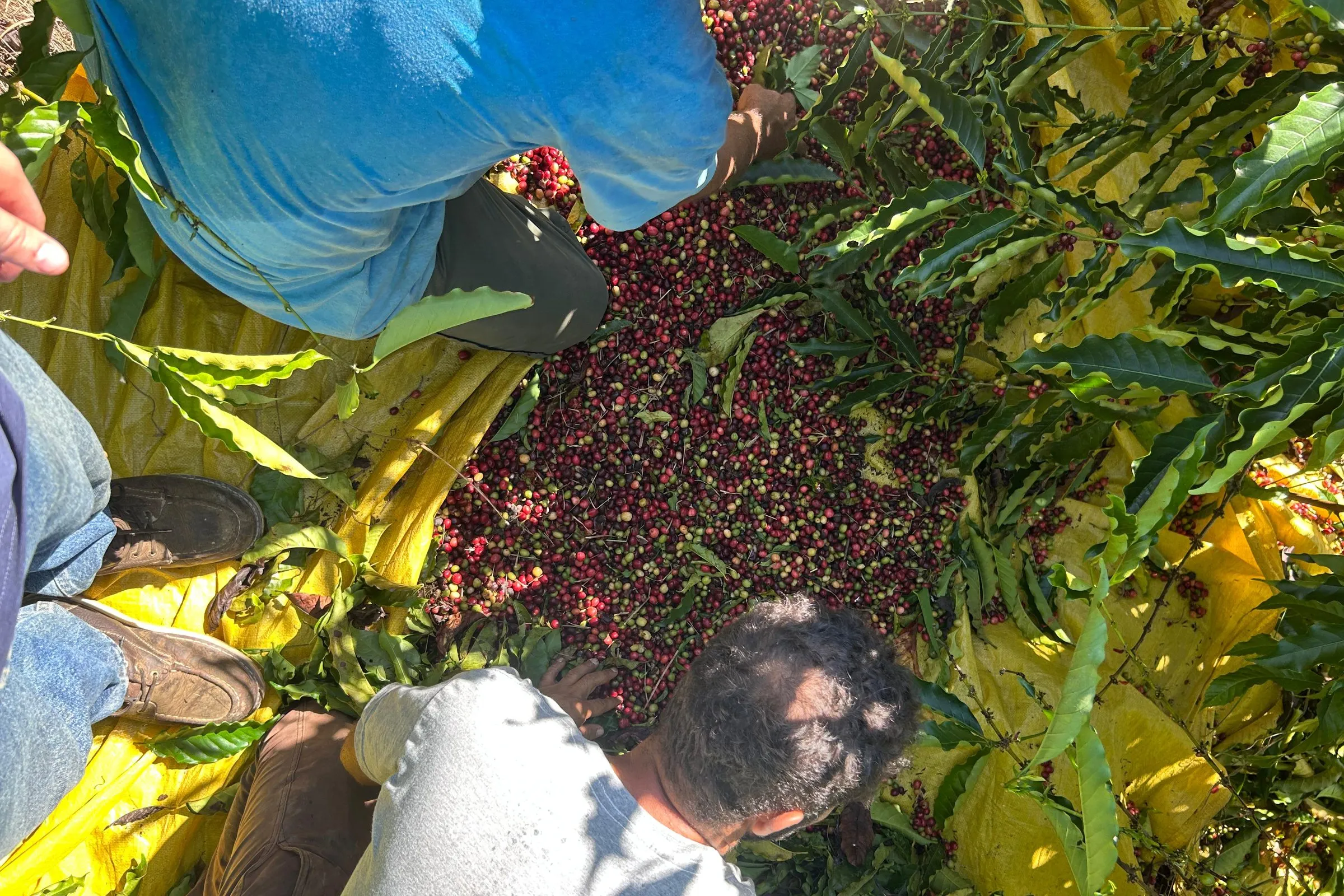
Under the region's two-season rhythm: flowering with the first rains, cherry development through the wet season, and harvest in the dry. Varieties, planting density, agroforestry practice and harvest method are recorded on the cooperative's agronomic sheet, which we share with qualified buyers on request.
| Agronomy | Detail |
|---|---|
| Species | Coffea canephora — Robusta, known in Brazil as Conilon |
| Seasonal cycle | Flowering with the first rains, cherry development through the wet season, harvest in the dry season |
| Cooperative context | An agroforestry cooperative that runs its own seedling nursery; plot-level practice on request |
Available on request: Varieties or clones; planting density and irrigation; harvest method.
What happens to the cherry after it is picked?
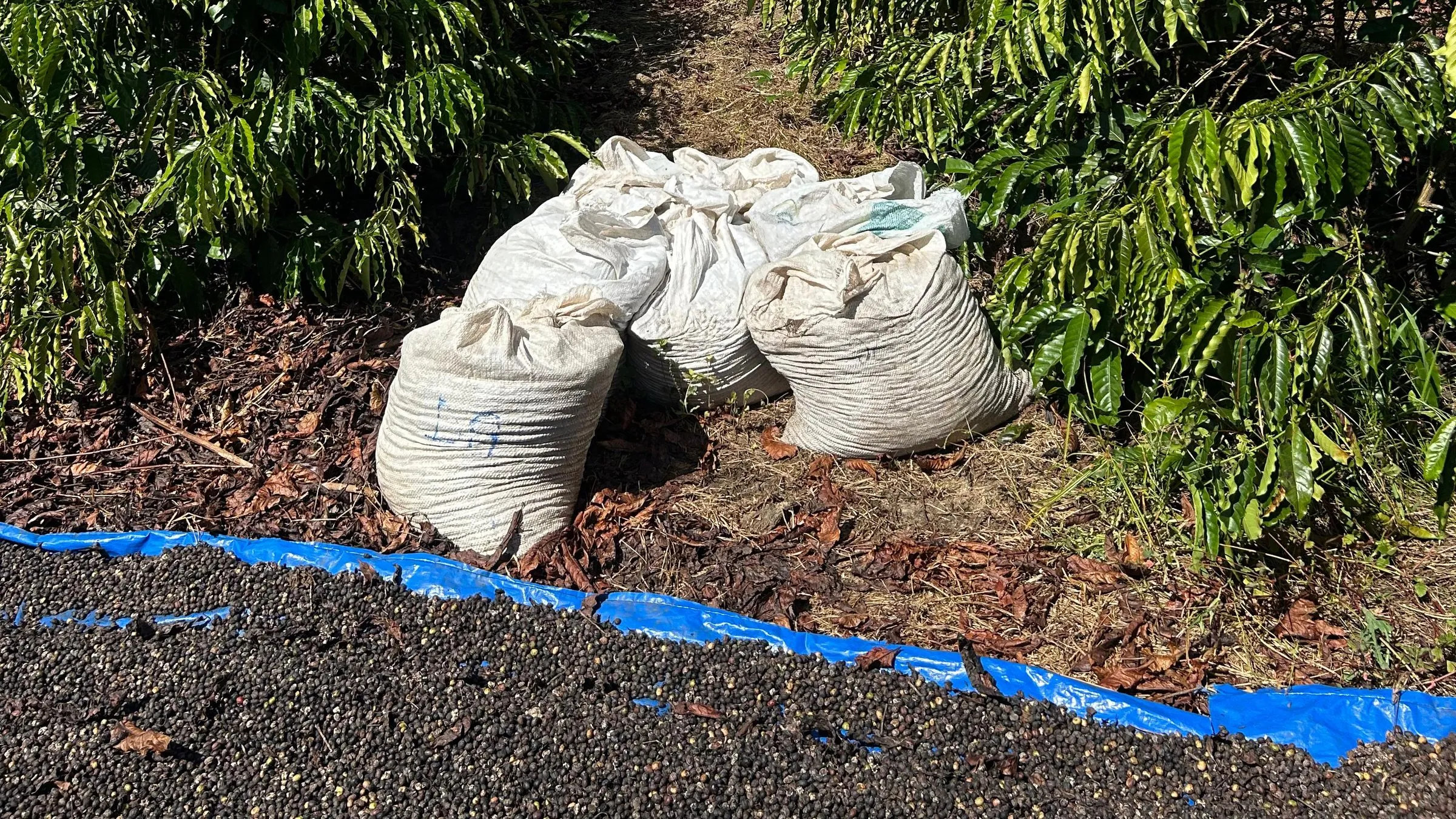
Everything, and all of it here. Drying, hulling, screening and grading happen at origin, and so does roasting, grinding and packing for the roasted line. The coffee does not leave the state until it is either export-ready green or a finished packed product.
This is the vertical integration claim made physical. In a conventional trade, cherry leaves the farm and the value-adding steps happen somewhere else — often in another country. Here, the steps between the tree and the container all take place in the same region, under one set of records.
What does any of this mean for a buyer?
Four practical things: fewer intermediaries between you and the farm, traceability to named producers rather than to a country, a direct relationship that makes pricing more predictable, and origin content you can legitimately use in your own marketing.
Fewer intermediaries
Four links from the tree to your warehouse instead of ten or twelve. Each link removed is a margin removed and a record preserved.
Learn moreTraceability to named producers
Traceability to a country is not traceability. Ours resolves to a cooperative and, as records mature, to the producer.
Learn moreA direct relationship
Forward contracts with the people who grow the coffee, priced against the London Robusta basis rather than through a chain of resales.
Learn moreOrigin content you can use
Photography, producer profiles and the origin story, offered as assets for your own packaging and marketing. Almost no supplier does this.
Learn moreRequest green offerings
Tell us what you roast and at what volume, and we will send the current position with a basis.
Request green offeringsRequest a private label capabilities packet
Formats, minimums, lead times and certification status, in one document.
Request the capabilities packet