
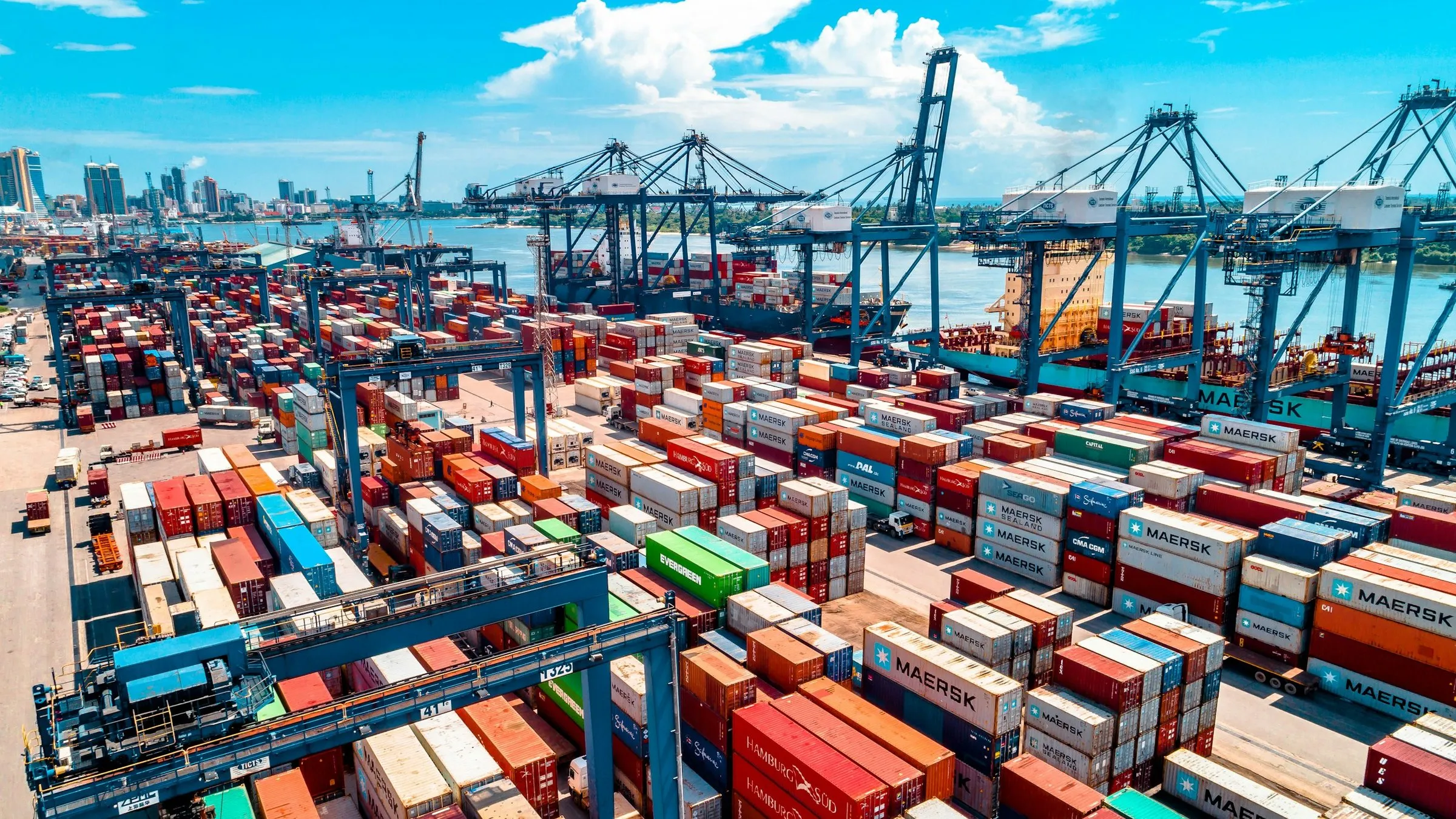
Logistics and shipping
Two legs and a port. The inland leg out of Mato Grosso is the one buyers underestimate, so it is stated first.
How does the coffee get from Mato Grosso to a ship?
By road to the port of Santos, which is a long inland leg by the standards of Brazilian coffee — northwestern Mato Grosso is far from the coast. That leg is a real cost and a real timing variable, and it is built into our quoted position rather than discovered later.
| Leg | Mode | Duration |
|---|---|---|
| Origin to Santos | Road | On request |
| Port handling and loading | Terminal | On request |
| Ocean transit | Sea | Confirmed per booking |
| Destination clearance | Customs | Varies by importer and port |
How long is the ocean leg to my port?
It depends on the destination and the service. Transit time is confirmed per booking and covers the ocean leg only; port handling at both ends and customs clearance at destination are additional and should be added rather than assumed away.
Available on request: US East Coast; uS West Coast; rotterdam; jebel Ali.
How much coffee fits in a container?
A 20-foot container of green coffee in 60 kg jute bags conventionally holds 275 bags, or 16.5 metric tons. Our confirmed 300-tonne position is therefore roughly 15 to 18 containers depending on stuffing method and packaging.
Roasted coffee has lost 16 to 18 percent of its weight but occupies more volume per kilogram and travels in packaging rather than jute, so container economics differ between the two lines.
Request green offerings
Tell us what you roast and at what volume, and we will send the current position with a basis.
Request green offeringsRequest a private label capabilities packet
Formats, minimums, lead times and certification status, in one document.
Request the capabilities packet