Our story
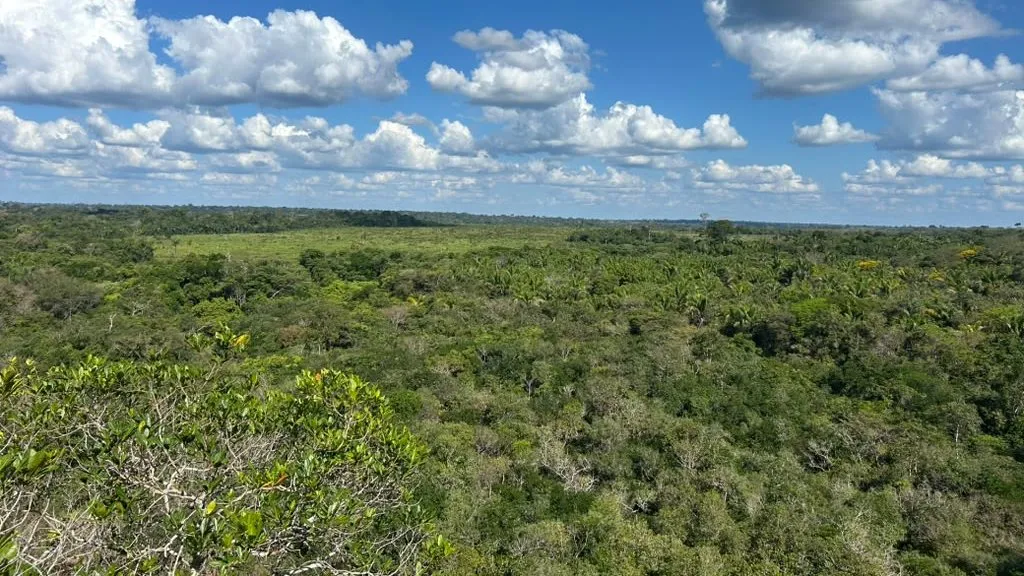
Where the forest still stands
In the far northwest of Mato Grosso, at the southern edge of the Amazon, a group of farming families decided their future would be built with the forest, not against it. This is their story, and the reason our coffee and forest products exist.
The region
A frontier at the edge of the Amazon
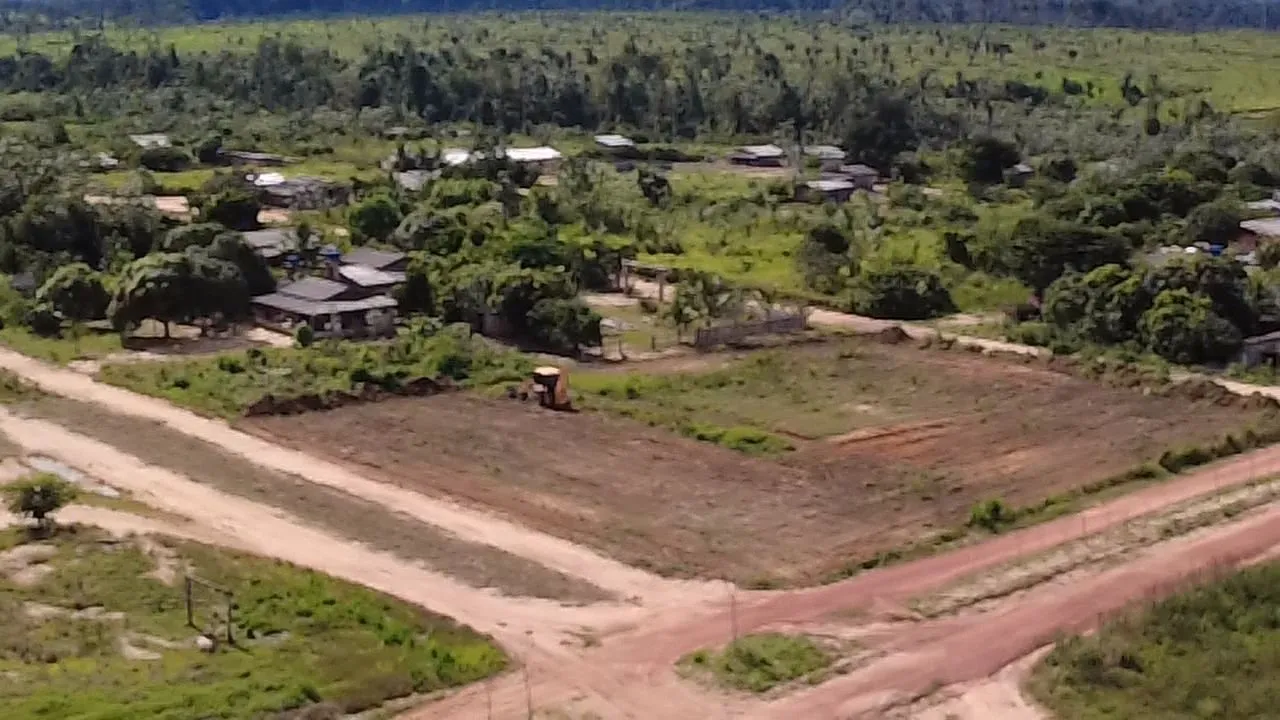
Taquaruçu do Norte is a small farming village in the municipality of Colniza, in the far northwest of Mato Grosso, close to the borders with Rondônia and Amazonas. Colniza is one of the state’s youngest municipalities, created at the end of the 1990s, and the land around it was opened to farming within living memory.
The families who live here came from all over Brazil to build a life on the frontier. Most still farm small properties with their own hands: coffee, cassava, bananas, fruit and livestock, on land that borders the forest.
The choice
Clear the forest, or make it worth keeping
On an agricultural frontier the pressure on the forest is constant, and the reason is rarely malice. It is income. When a family cannot make a living from standing forest, the forest pays the price.
The families of Taquaruçu do Norte chose a different answer: make the forest, and the farms around it, worth more standing than cleared. That means farming in ways that keep trees in the landscape, planting them back where they are missing, and selling what the living forest produces.
When the forest earns an income standing, it is worth more standing.
The cooperative
A cooperative built around the forest
On 27 July 2024, 23 founding members met in the village hall of Taquaruçu do Norte and constituted COOPERANTE - Cooperativa Carvalho Beans. Its bylaws name four areas of work: extraction, reforestation, bioenergy and agriculture. Reforestation was not added later for marketing; it is written into the cooperative’s founding purpose.
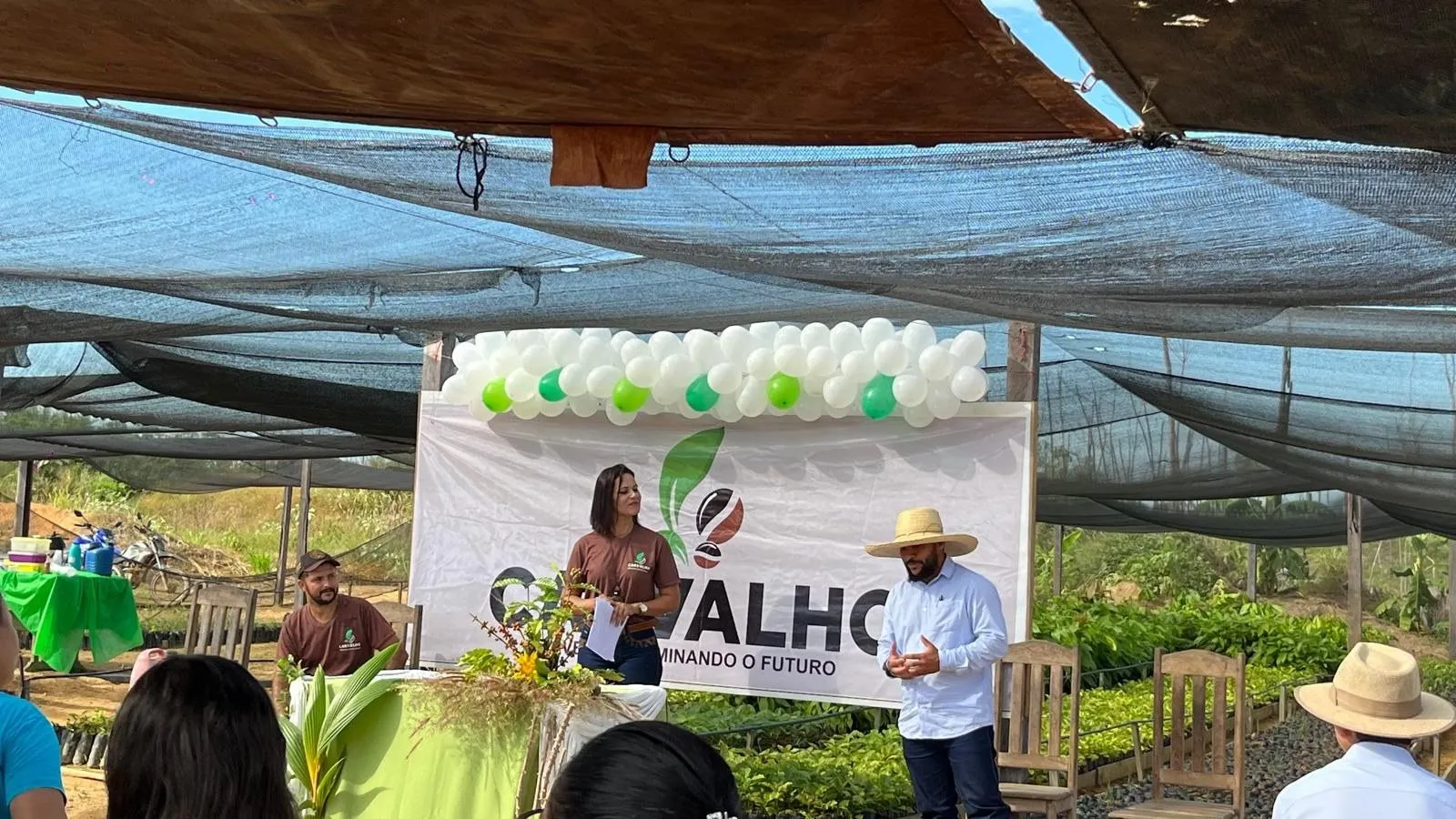
Together, the members do what none of them could do alone: receive and process their production, sell it collectively on fair terms, and invest in technical support. At the cooperative’s 2nd Field Day, in May 2026, producers learned alongside SENAR-MT, EMPAER-MT, the Colniza Rural Union and the Federal Institute of Mato Grosso, under three themes chosen by the members themselves: sustainable production, diversification and adding value.
Growing it back
A nursery, and farms that look like forest
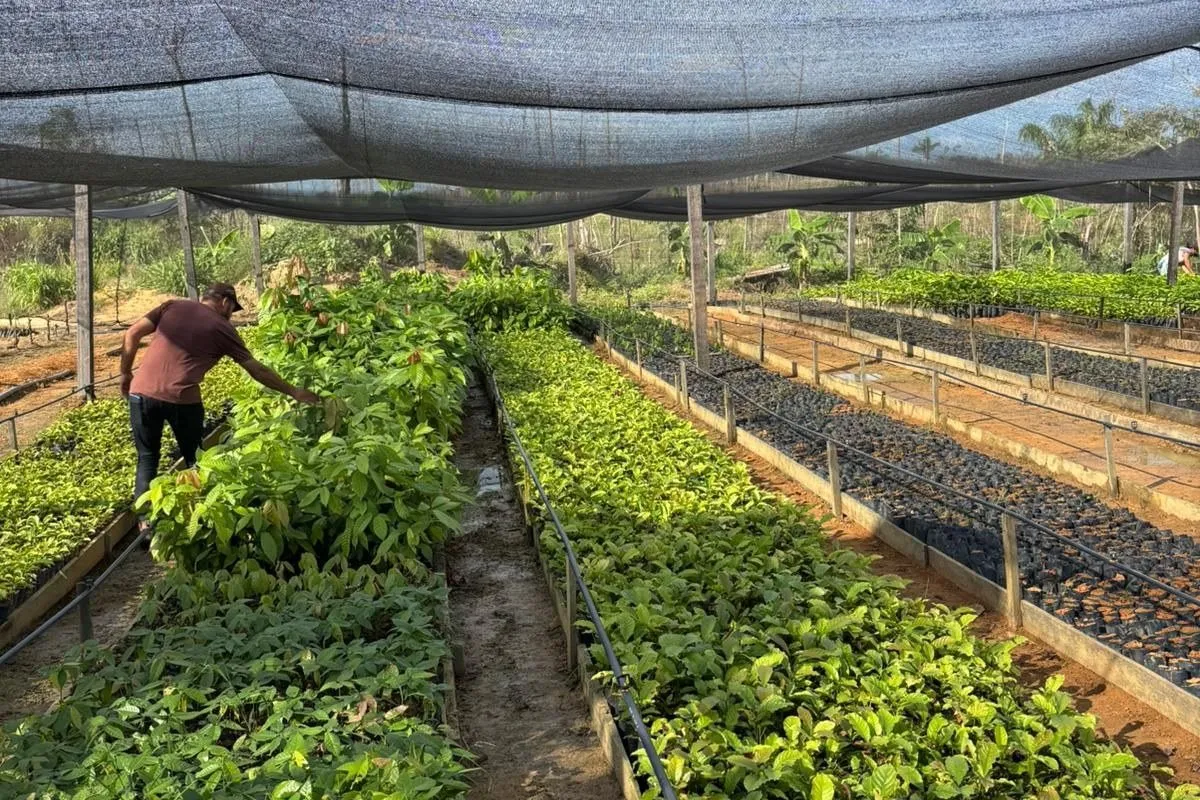
At the heart of the cooperative is its own seedling nursery. It produces seeds and seedlings, which are the foundation of any serious restoration work and of the agroforestry systems the members are building on their land.
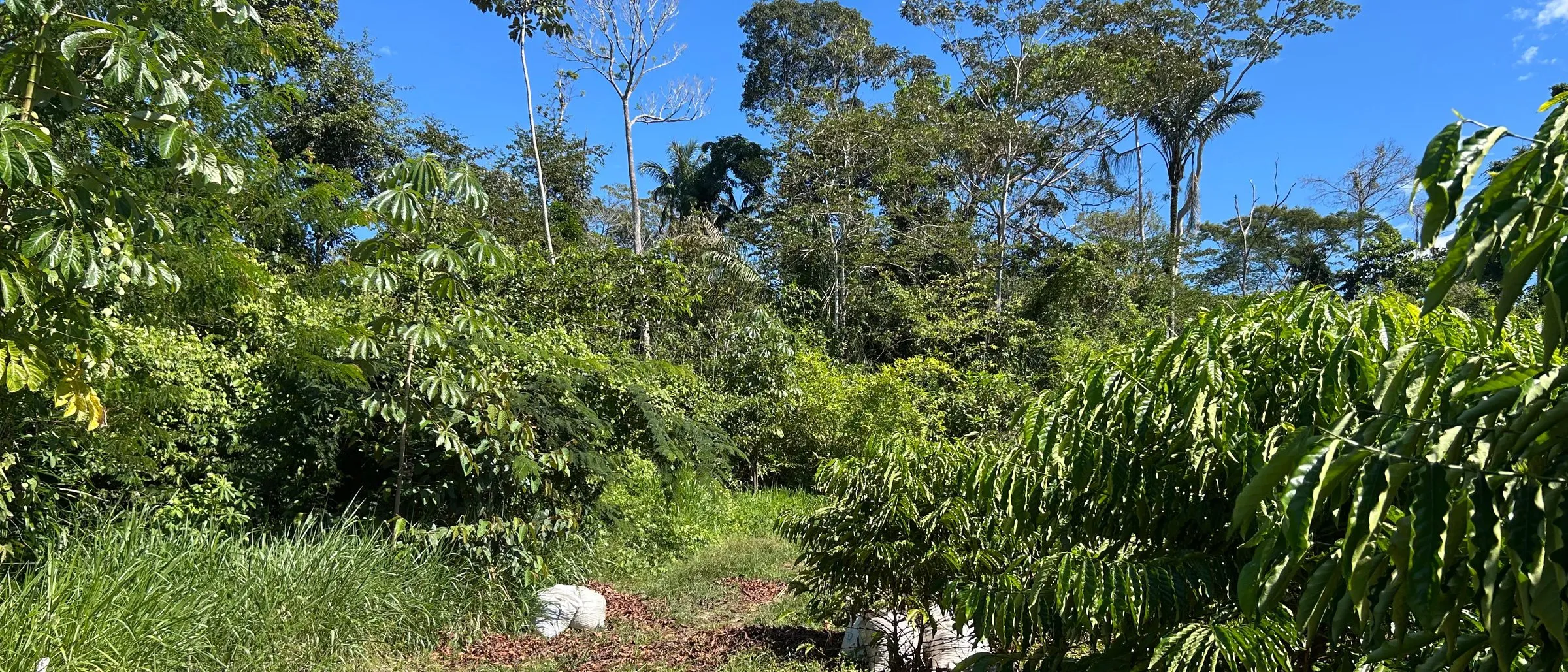
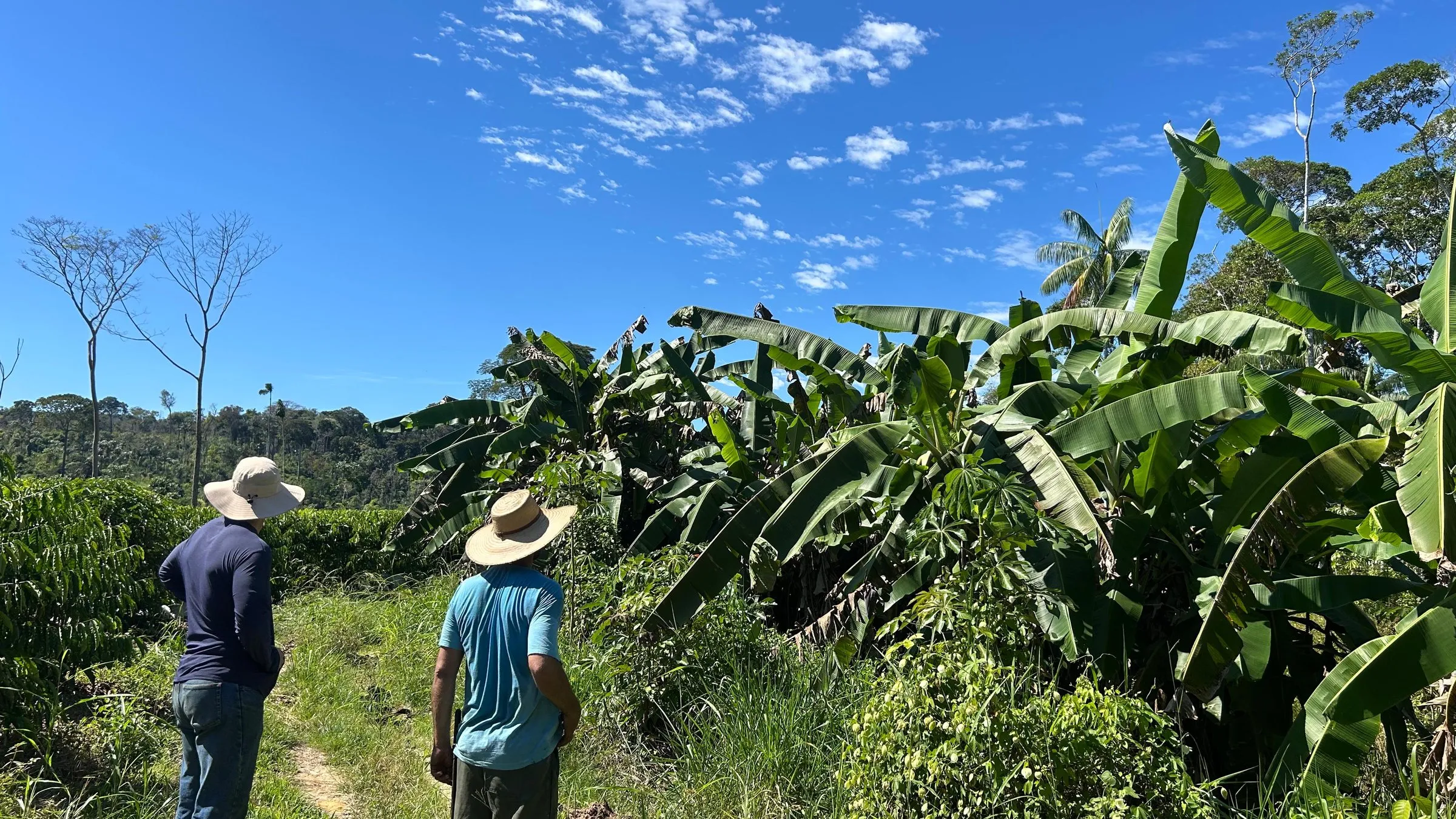
On the members’ properties, coffee grows alongside banana plants and native trees rather than in bare monoculture. The shade, the leaf litter and the roots keep the soil alive, and the trees give families more than one harvest to depend on.
The forest’s own harvest
Forest products, taken from living trees
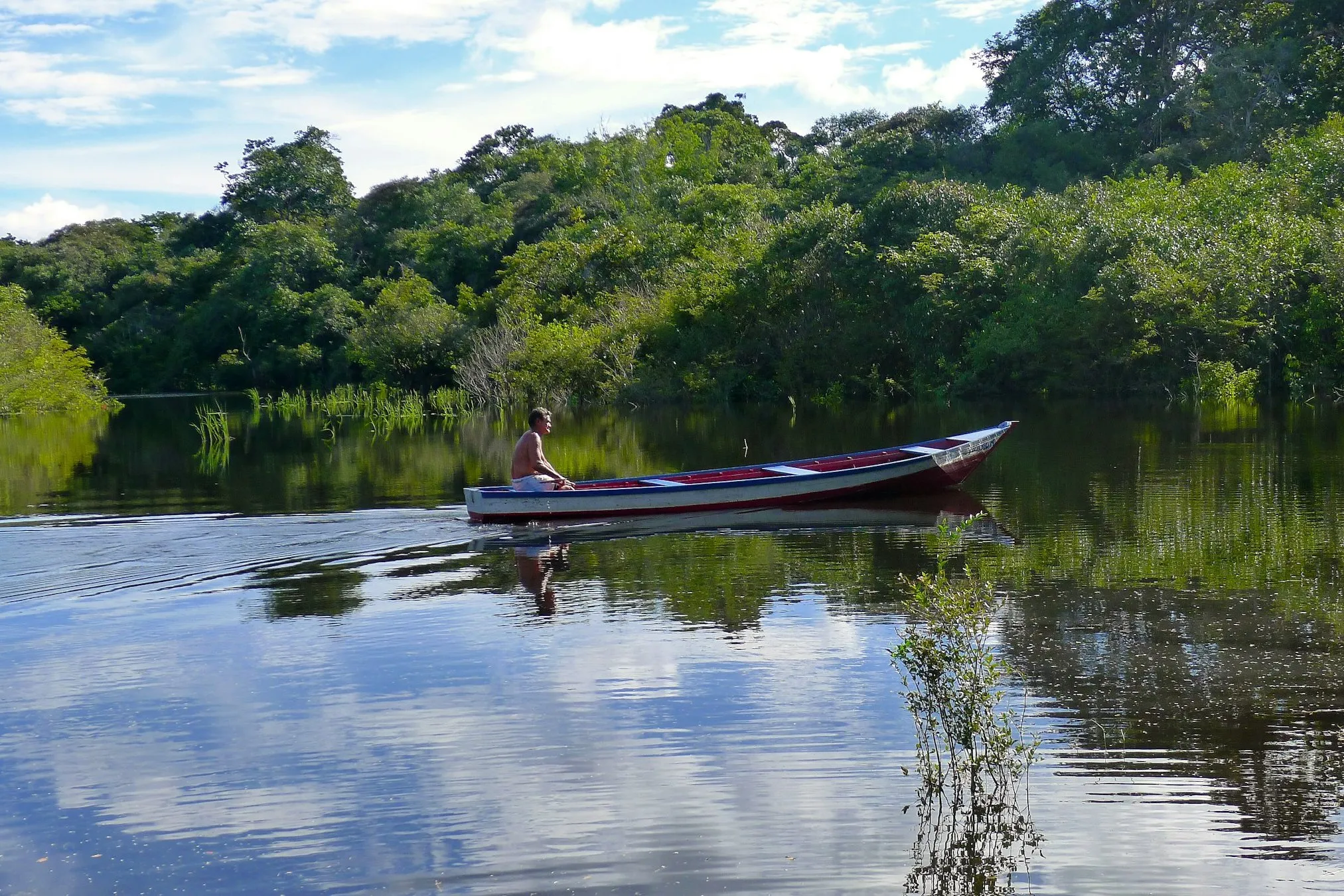
Deeper in the forest, a traditional riverside community works in partnership with the cooperative. They collect two raw materials that only exist because the trees are alive: dragon’s blood, the red resin of Amazonian Croton trees, and natural latex from native rubber trees.
Both are harvested in the standing forest, by people who depend on it staying there. Every order gives them a reason, and an income, to keep it standing.
Your part in it
What your purchase does
Buying from us is not charity, and we will not dress it up as such. It is a better trade, and here is where the value goes.
Income for farming families
Sales are made collectively through the cooperative, so the value of the harvest returns to the member families who grew it.
A reason to keep the forest standing
Forest products only exist while the trees are alive. Steady demand makes the standing forest an income, not an obstacle.
Trees back in the landscape
The cooperative’s nursery and its agroforestry work put trees back on member land, as its bylaws commit it to do.
A traceable origin
One cooperative, one region, and a direct line from the farm or the forest to your order, with no chain of anonymous traders in between.
The story so far
- July 2024
Founding assembly in Taquaruçu do Norte: 23 founding members approve the bylaws, with reforestation among the cooperative’s four areas of work.
- February 2026
The cooperative is registered with Brazil’s federal tax authority and begins operating with its members.
- May 2026
The 2nd Field Day brings producers, technicians and partner institutions together at the cooperative’s nursery, with the first Producers Market.
- May 2027
First export position for the cooperative’s Robusta (Conilon) coffee, offered to buyers through Colinza.
Illustrative photos: gustavo nacht (Unsplash License, cropped)
Be part of the next chapter
Buy the coffee, source the forest ingredients, or simply ask us a question.