Market
How to Buy Robusta Coffee Beans Wholesale from Brazil
A buyer's guide to sourcing wholesale Robusta coffee beans (Conilon) from Brazil: the naming, the ways to buy, how the price is built, what to check on a lot, and the documents that ship with it.
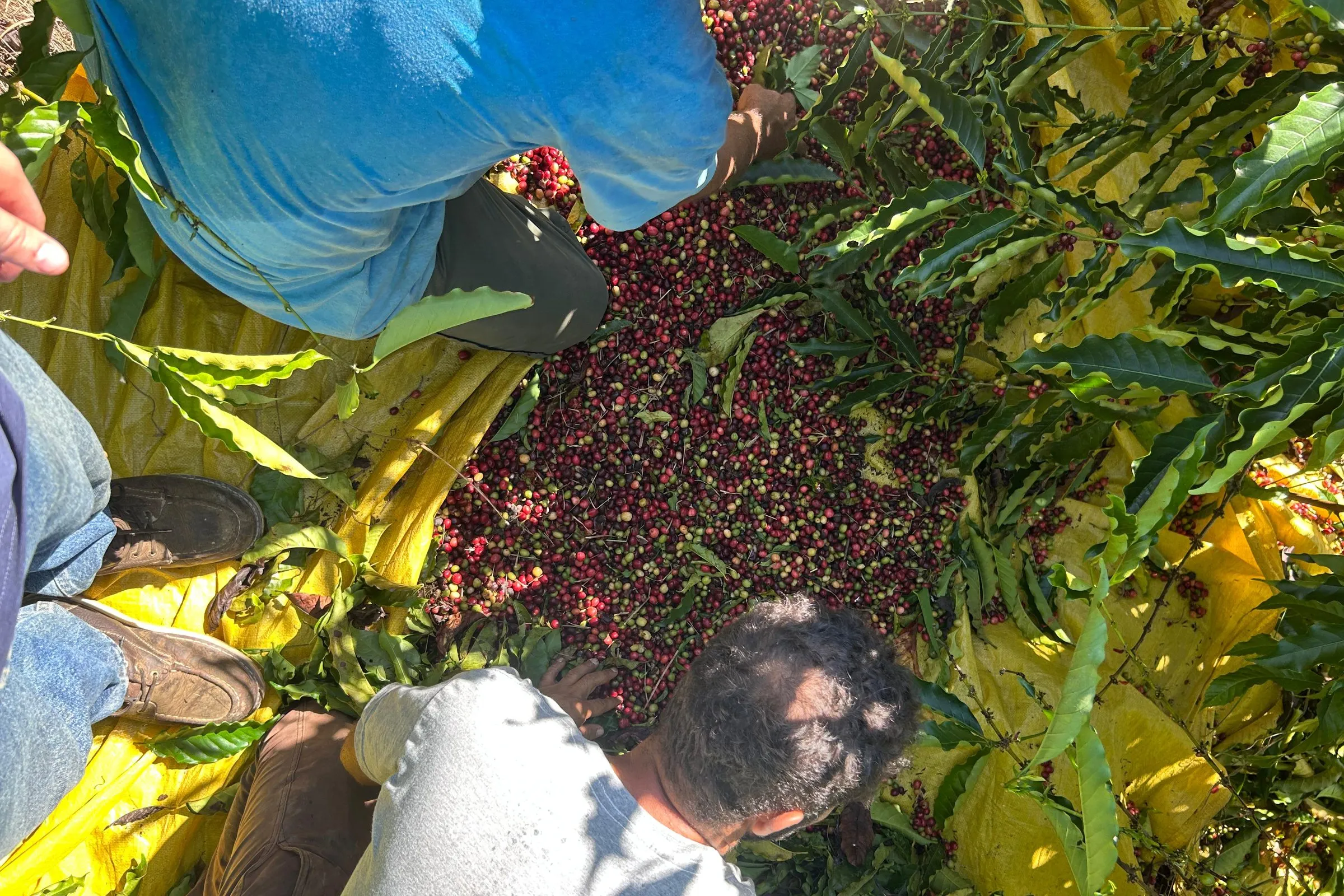
If you are looking for wholesale Robusta coffee beans, Brazil should be on your list. It is one of the world’s largest Robusta producers, and a growing share of its crop now comes from origins that sell direct rather than through a long chain of traders. This guide covers what a buyer needs to know before the first order.
Robusta or Conilon? The same coffee
In Brazil, Robusta is called Conilon. Both names describe Coffea canephora. That matters when you search: a supplier listing “wholesale Conilon coffee beans” and one listing “wholesale Robusta coffee beans” may be offering exactly the same thing. Our Robusta and Conilon explainer covers the naming in detail.
Three ways to buy wholesale
1. Green, by the container. The standard route for importers and roasters. Green Robusta ships in 60 kg jute bags, in full 20-foot containers. You take on the import, the customs clearance and the roasting.
2. Green, on a forward contract. Instead of buying coffee that has already been harvested, you reserve an allocation from a coming harvest. This fixes your supply before the crop ships, and it is how most serious buyers secure volume from a new origin. Our 2027 forward book works this way.
3. Roasted, wholesale or private label. If you would rather not roast, buy it roasted: whole bean or ground, for cafés, foodservice and distributors, or packed under your own brand. See roasted wholesale and private label.
How the price is built
Green Robusta is priced against the ICE Europe Robusta futures contract, traded in London and quoted in US dollars per metric ton. It is not the New York “C” contract, which prices Arabica in cents per pound, and mixing the two up is a common first mistake.
The physical price is the futures price plus a differential: a premium or discount that reflects origin, quality, preparation, position and the cost of getting the coffee to the agreed delivery point. A differential contract fixes that premium and leaves the futures leg to be fixed later; a fixed-price contract settles everything at signing. Our pricing guide explains both.
That is why serious suppliers quote per enquiry rather than publishing a price list. A number only means something for a specific volume, format, incoterm and destination.
What to check on a lot
- Species and origin: Coffea canephora, and exactly where it was grown. A single-cooperative origin is easier to trace than a blend of re-sold parcels.
- Preparation and grading: screen size, defect count and moisture, all confirmed on the quality certificate for that lot.
- The cup: always taste a pre-shipment sample before you commit to a container.
- Traceability: can the seller link the lot back to where it was grown? For EU buyers this is no longer optional (see the documents below).
The documents that ship with a container
A wholesale green shipment normally travels with an ICO certificate of origin, a phytosanitary certificate, weight and quality certificates, a lot traceability record, the bill of lading and a packing list.
- United States: every shipment needs FDA Prior Notice, and the importer needs an FSVP programme.
- European Union: the EUDR requires a due diligence statement showing the coffee was not grown on land deforested after 31 December 2020.
Why buy direct from origin
Every intermediary between the farm and your warehouse takes a margin and blurs the record of where the coffee came from. Buying from the party that grows, processes and ships the coffee shortens the chain and keeps the traceability intact.
Our Robusta comes from a single producer cooperative in Taquaruçu do Norte, in northwestern Mato Grosso, at the southern edge of the Amazon. The cooperative was built around sustainable farming and reforestation, and you can read its story here.
Getting started
- Decide the route: green by the container, a forward contract, or roasted.
- Register for samples so you can taste before you commit.
- Request a quote with your volume, format and destination.
Everything we sell wholesale is on one page: wholesale Robusta and Conilon coffee beans.
Frequently asked questions
Is Brazilian Conilon the same as Robusta?
Yes. Conilon is the name Brazil uses for Robusta coffee. Both are Coffea canephora, so wholesale Conilon coffee beans and wholesale Robusta coffee beans are the same product sold under two names.
What is the usual wholesale unit for green Robusta?
The 60 kg jute bag, shipped in full 20-foot containers. Smaller quantities are possible only once coffee has been shipped and is held in a warehouse in the destination country.
How is the price of wholesale Robusta set?
Against the ICE Europe Robusta futures contract in London, quoted in US dollars per metric ton, plus a differential for origin, quality, preparation and position. Each quote is built for a specific volume, format and destination.
Can I buy roasted Robusta wholesale instead of green?
Yes, if you would rather not roast. Roasted wholesale suits cafés, foodservice and distributors, and private label puts your brand on the bag. Roasting at origin also removes the green-import compliance burden from your side.